

Essential Bore Welding Accessories for heavy equipment bore repair

Updated: Sep 1
How much revenue is lost when a simple tip jam turns a two-hour repair into a two-day teardown? You've likely dealt with the frustration of inconsistent weld quality in deep bores or the headache of grounding issues during a critical setup. Field repairs shouldn't feel like a gamble against your equipment. When you use the right bore welding accessories, you stop fighting your tools and start hitting shop-quality precision on every job site.
The right components can eliminate manual rework and drastically reduce downtime for your heavy equipment maintenance. It's about more than just having a welder; it's about the precision-engineered interfaces that determine the success of a repair. We'll show you how specific torches and extensions can help you weld in tight spaces and extend the life of your automated systems. This guide covers the essential gear you need to simplify your workflow and ensure your BOA system performs reliably under pressure.
Table of Contents
Understanding the Role of Bore Welding Accessories in Heavy Equipment Repair
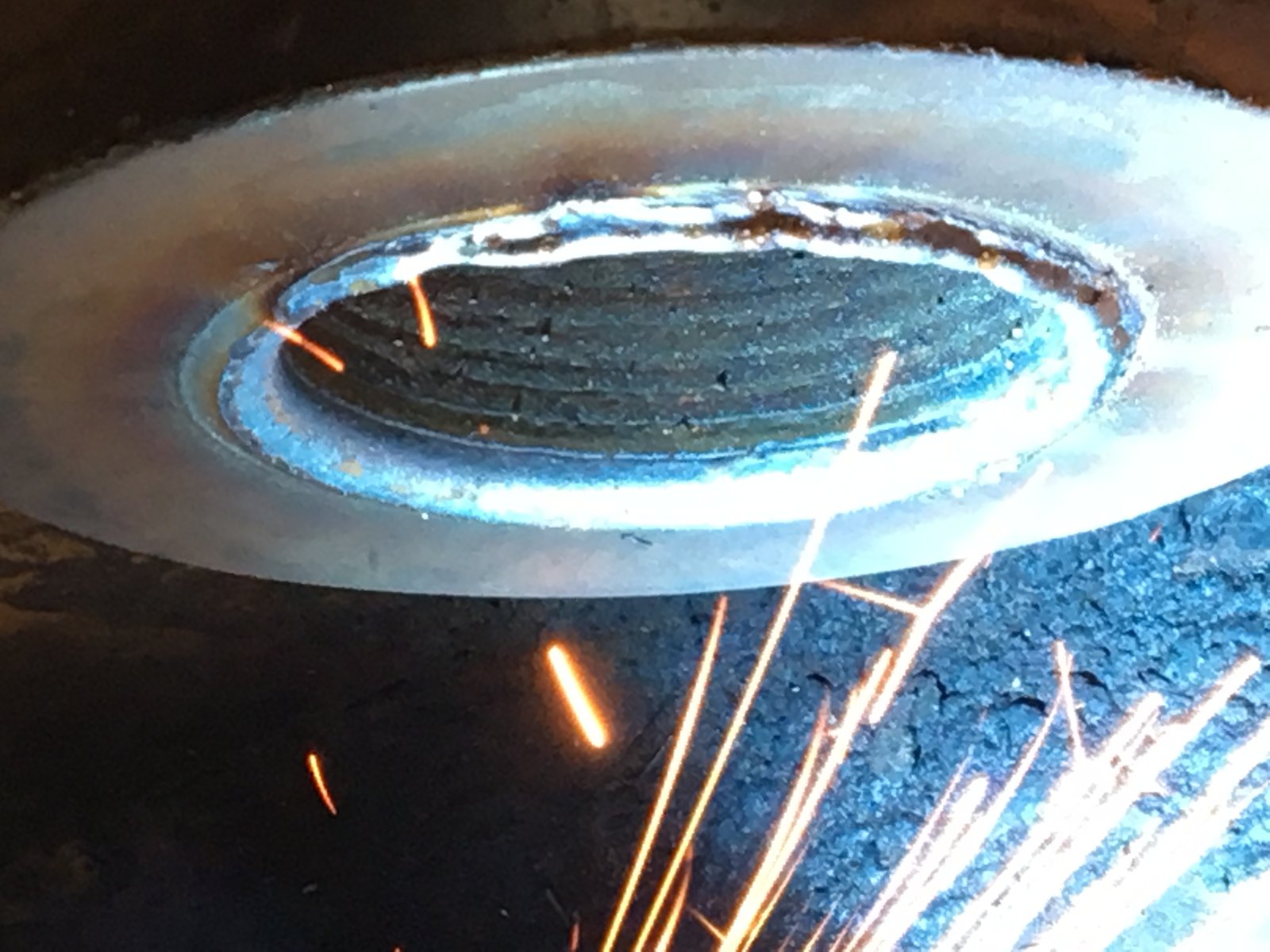
Standard MIG power sources are designed for flat plate and open joints, but they lack the specialized reach required for internal diameters. This is where bore welding accessories become critical. These components act as the essential bridge between your power supply and the unique geometry of a worn pivot point or housing. Without the right interface, you're essentially trying to use a shop tool for a field surgery. Precision accessories ensure that the weld bead is placed exactly where it's needed, minimizing the "over-welding" that leads to hours of unnecessary machining later.
High-quality components do more than just guide the wire. They provide the structural rigidity necessary to prevent arc instability and wire bird-nesting, which are common failures in the field. When you're working on mining or construction gear, you'll encounter a massive range of bore sizes. Most standard kits provide a baseline, but they often require expansion to handle the specific diameters found in heavy-duty excavators or loaders. Expanding your toolkit with specialized extensions and nozzles allows you to maintain a consistent standoff distance, which is the secret to a clean, repeatable weld.
Why Precision Matters in Automated Bore Welding
Automated systems rely entirely on the consistency of wire delivery and gas coverage. Welding is a fabrication process that demands a stable environment; even a slight misalignment in a torch head can cause gas turbulence and porosity. Poorly fitted accessories lead to uneven buildup that forces the line boring tool to work twice as hard. Automated accessories eliminate the variability of manual torch manipulation, ensuring a consistent bead profile regardless of operator fatigue or environmental conditions.
The Economic Impact of Using the Right Tooling
In heavy equipment repair, "air-time" is the enemy of profitability. This is the time your machine spends moving but not welding. Efficient setup using modular bore welding accessories reduces this wasted window significantly. By using high-durability contact tips and liners designed for the BOA system, you reduce the frequency of stops for consumable replacement. This keeps the arc struck longer and gets the machine back into service faster.
Reliability also extends to the lifespan of your primary equipment. Using the correct extensions and heat shields prevents excessive thermal feedback from reaching the main drive unit. This protection is vital for maintaining the mechanical integrity of your automated welder over years of service in harsh environments; for those who also need high-performance rotary electrical components, discover TME Systems Pty Ltd. Choosing the right tool for the specific bore depth and diameter isn't just a technical preference; it's a financial strategy to reduce long-term maintenance costs.
Specialized Torches and Extensions: Reaching Every Repair Challenge
Standard kits work for many jobs. However, they aren't universal. Real-world heavy equipment repair rarely follows a standard blueprint. You need specific bore welding accessories to bridge the gap between a basic setup and a complex field repair. Standard torches are reliable for common applications, but they hit a wall when you face extreme depths or narrow diameters. If you can't reach the wear zone with precision, the automation is useless.
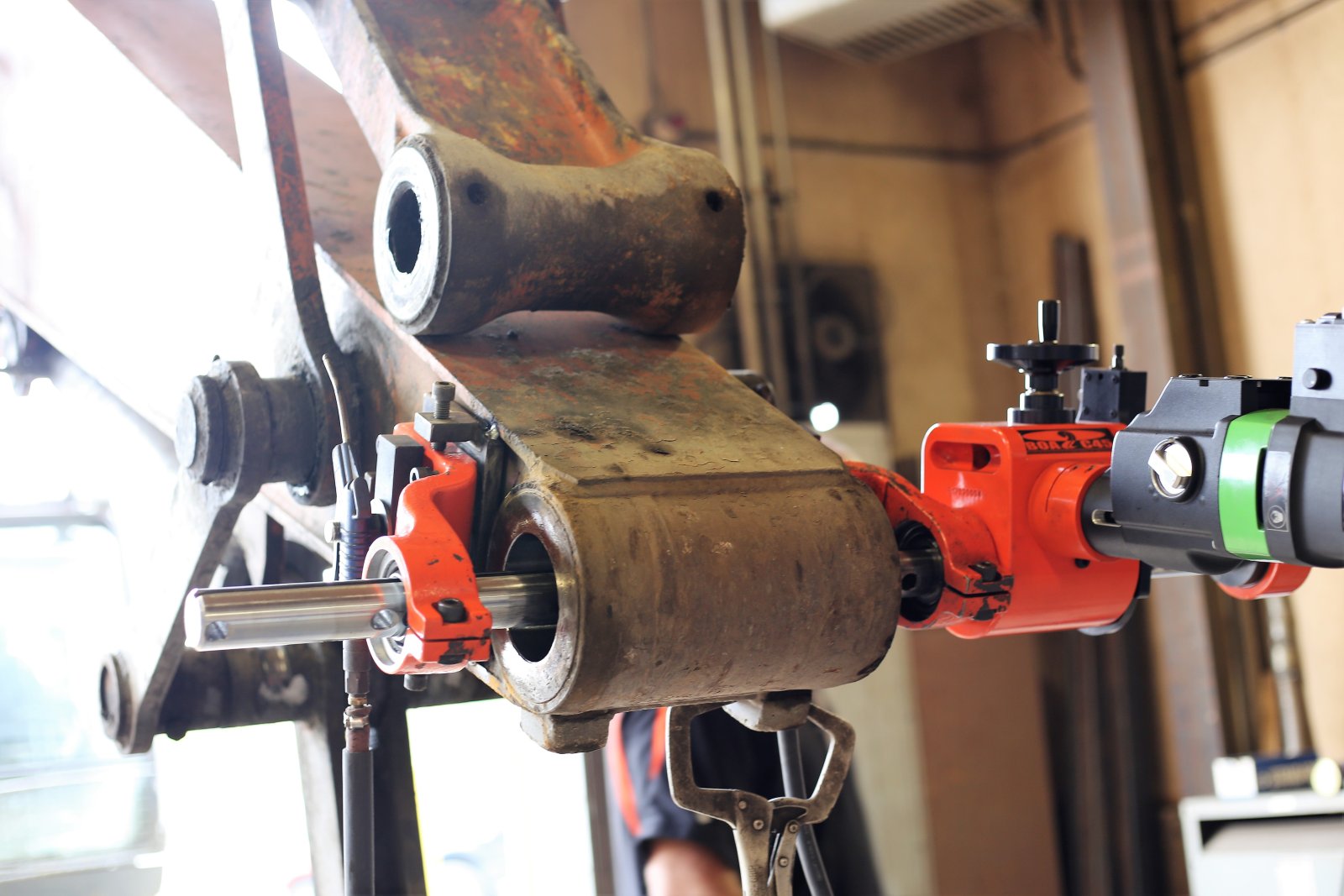
Think about deep pivot points in a large excavator boom. A standard torch simply won't reach the center of the housing. Extra-long torches are mandatory here. They provide the necessary reach without sacrificing the stability of the weld head. On the other end of the spectrum, compact torches solve the opposite problem. They allow for automated welding in tight spaces where manual repair is physically impossible. These tools turn "unfixable" components into routine maintenance tasks.
Reversible bore welding systems offer another layer of efficiency for long spans. These systems allow you to weld across a long distance or from both ends without moving the drive head. This eliminates the need for frequent teardowns and realignments, which is where most downtime occurs. By using the right combination of torches, you keep the machine running instead of adjusting the setup.
Matching Torch Size to Bore Diameter
Precision starts with selecting the right torch for the hole. The #00 torch is the go-to for small-diameter pin holes, specifically those under 1.8 inches. Using a torch that's too large leads to nozzle collisions and poor gas coverage. For mid-range industrial bores, the standard #0 torch provides the necessary clearance and wire delivery. If you are dealing with outside diameters or flat surfaces, specialized face-welding torches are the correct choice. They ensure the bead remains flat and consistent across the entire surface profile.
Extensions for Deep and Remote Bores
Reaching a bore is only half the battle. You must maintain weld integrity across that distance. Rigid extensions are preferred for most deep repairs because they maintain a fixed path for the wire and prevent wobbling. Flexible liners are useful when the path isn't perfectly straight, but they require careful management to prevent friction and feeding issues.
Gas shielding integrity is paramount. Over long reaches, any leak in the extension joint introduces oxygen, which causes porosity and weak welds. You must also ensure electrical conductivity remains consistent. Voltage drops across extension joints will ruin your arc stability and lead to inconsistent penetration. Adhering to OSHA safety standards ensures that your equipment setup remains safe for the operator while maintaining high performance. If you're looking to upgrade your current kit, you can explore our full range of bore repair accessories to find the right match for your next project.
Consumables and Wear Parts: Maintaining Arc Stability
While the torch and extensions provide the reach, the consumables inside them dictate the quality of the arc. These bore welding accessories are the workhorses of the system. They are the front line of the repair process. If your contact tip is worn or your liner is clogged, the most advanced automated welder in the world won't produce a clean bead. Arc stability is the foundation of a successful repair, and it depends entirely on the condition of these wear parts.
Contact tips are the most frequently replaced parts in any setup. They serve as the final point of electrical contact before the wire strikes the arc. Precision is everything here. Even a minor increase in the tip's internal diameter leads to "keyholing." This wear causes the wire to wander, creating an inconsistent weld bead that requires excessive machining to fix. Threaded contact tips are the preferred choice for industrial applications because they maintain a rigid connection that won't vibrate loose during long welding cycles. While standard copper tips work for light duty, heavy-duty chrome-zirconium tips offer superior heat resistance and a longer service life in high-amperage field repairs.
The environment around the weld puddle is managed by the nozzle and gas diffuser. These components work together to ensure a clean, oxygen-free shield. Without proper gas flow, you'll face porosity and brittle welds. In tight spaces where the torch head is close to the bore wall, non-conductive nozzles are a vital safeguard. They prevent accidental grounding, which protects both the equipment and the integrity of the work surface from stray arcs. Using the correct diffuser ensures that shielding gas is distributed evenly, preventing turbulence that can pull in atmospheric contaminants.
Wire delivery depends entirely on the condition of the liner. You must match the liner material and diameter to your specific welding wire. Steel liners are the standard for hard wires, while Teflon liners are necessary for softer alloys to reduce friction. Maintenance is straightforward but often overlooked. Blow out the liner with compressed air every time you swap a wire spool to clear out accumulated dust and metal shavings. Watch for these specific warning signs that your liner needs replacement:
Wire "chattering" or surging during delivery.
Frequent bird-nesting at the drive rolls.
Visible discoloration or kinks in the liner material.
Inconsistent arc starts despite proper grounding.
A clogged or worn liner creates drag that ruins arc stability. Replacing a liner is a low-cost step that prevents high-cost downtime. Keep a variety of these essential wear parts on hand to ensure your system stays operational throughout the entire job. By treating consumables as a critical part of your setup rather than an afterthought, you ensure every repair meets shop-quality standards.
Selecting Accessories for Complex Geometry and Tight Spaces
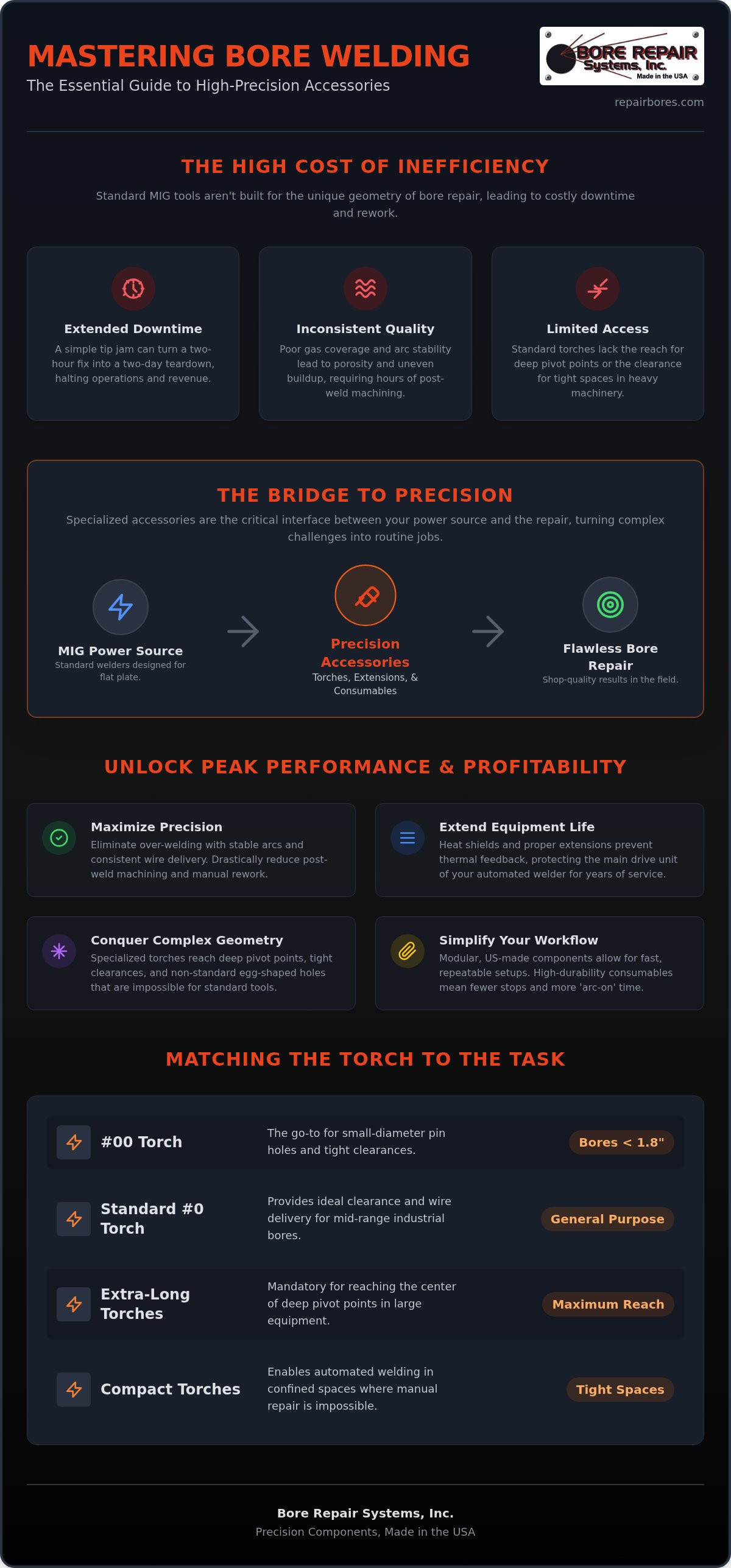
Field repairs often involve bores that are anything but round. Wear patterns create egg-shaped or tapered holes that challenge standard setups. Specialized bore welding accessories are designed to handle these distortions without requiring you to haul the entire machine back to the shop. By using offset mounts and centering tools, you can establish a true centerline even in severely worn components. This capability is what separates a professional field repair from a temporary patch job.
The reality of heavy equipment maintenance is that you won't always have the luxury of a clean, circular surface. Bores in excavator buckets or loader arms often wear unevenly due to the specific stresses of the job. If you don't account for this geometry during setup, your weld buildup will be off-center, making the subsequent line boring process much more difficult. Using modular components allows you to adapt your welder to the specific needs of the part rather than forcing the part to fit the tool.
Fixing Egg-Shaped Pin Holes
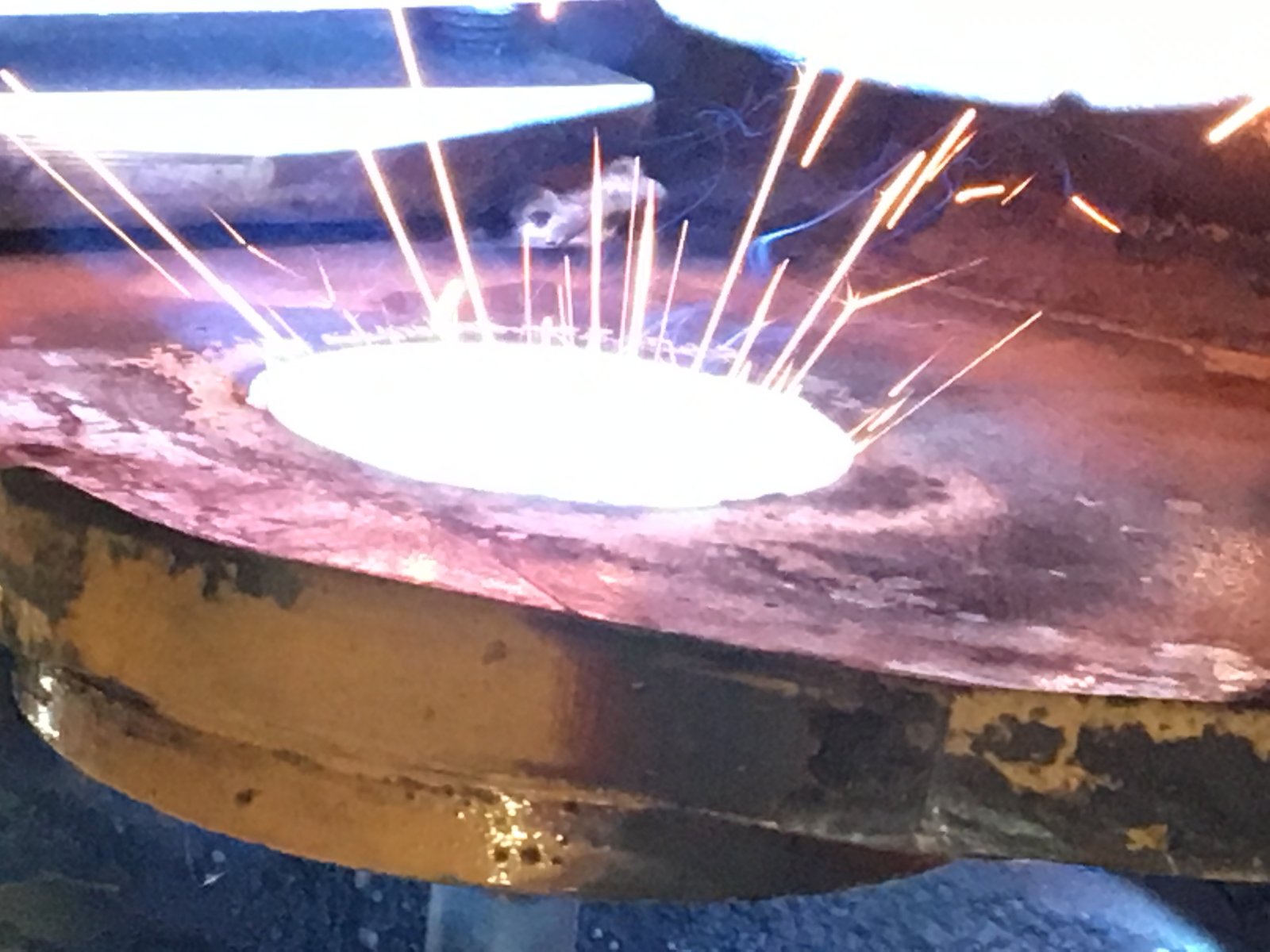
Restoring a hole that has "egged out" requires a methodical approach. You can't just start welding; you have to align the system to the original center. Centering cones and specialized mounts allow you to bridge the gap between the worn surface and the welder's drive bar. Once aligned, the bore welder restores the concentricity by applying a uniform layer of material. Adjustable bar supports are essential here to maintain that alignment across long spans or distorted housings, ensuring the line boring tool has a solid, centered foundation to work from. This setup prevents the "wandering" that often occurs when welding in non-concentric bores.
Face Welding and Snap Ring Groove Accessories
Repairs often extend beyond the internal diameter. When a thrust face is worn or a snap ring groove is damaged, you need a different set of tools. Automated face machining heads are compact enough to fit into tight clearances where separate milling equipment would be too bulky. These accessories allow you to transition from internal welding to face restoration without changing your base setup. We also offer OD welding accessories that allow you to build up worn shafts and pins using the same drive unit. This versatility means one system handles every part of the pivot point.
Our patented thru-bar snap ring groove machining system is a prime example of this versatility. It enables you to restore critical grooves with high precision while the machine is still in place. This "no-disassembly" approach saves hours of teardown time on mining and construction sites. You don't have to pull the entire boom apart just to fix a single groove. If you want to see the full list of tools that make these complex field repairs possible, check out our bore welding accessories.
Why Precision Accessories from Bore Repair Systems, Inc. Outperform Generic Options
Generic parts often fail at the worst possible moment. In a mining site or remote construction zone, a broken torch or a mismatched liner is more than an inconvenience; it's a total work stoppage. Choosing professional-grade bore welding accessories from Bore Repair Systems, Inc. ensures that your equipment handles the heavy-duty cycles it was built for. We have manufactured US-made equipment since 1995, focusing on the mechanical integrity required for harsh industrial environments. Our components aren't just replacements; they are engineered upgrades to your field repair capabilities.
Reliability in the field depends on the synergy between your welding and machining tools. Generic accessories often lack the tight tolerances needed to integrate perfectly with specialized drive units. This misalignment leads to vibration, arc wander, and premature wear on the drive motor. By using accessories specifically designed for the BOA line, you eliminate these variables. You gain the confidence that every component, from the smallest contact tip to the longest extension, will perform exactly as expected under load.
The BOA Advantage: Simplicity and Reliability
Simplicity is a deliberate design choice. Our BOA systems utilize a modular design where every accessory is cross-compatible. The pass-through drive design simplifies how you attach torches and extensions, reducing the time spent on complex setups. A reversible welding system allows you to handle multi-bore repairs with a single alignment, which maximizes your operational efficiency. When we say "Made in the USA," we're referring to the durability needed to survive long shifts in abrasive conditions without mechanical failure. Our tools are built to be used, not just sold.
Integrated Line Boring and Bore Welding Kits
Buying piecemeal often leads to compatibility headaches. Our integrated kits ensure a seamless transition between the welding and machining phases. You don't want to find out your boring bar doesn't clear your weld buildup because of a mismatched accessory. By using a matched system, you guarantee that the precision of the weld matches the precision of the final cut. This integrated approach is the most effective way to eliminate manual rework and reduce downtime.
Every customer also receives free anytime training. This ensures your operators are experts before they ever hit the field, knowing exactly which bore welding accessories to use for specific diameters and depths. If you run into a unique mechanical hurdle, you have direct access to our engineering support for custom solutions. We don't just provide parts; we provide the expertise to ensure your job is done correctly the first time.
Optimize Your Field Repair Workflow
Field repairs don't have to be a struggle against your own equipment. By selecting the right bore welding accessories, you transform a difficult teardown into a routine, precise operation. You now understand how specialized torches reach deep pivot points and how high-quality consumables maintain the arc stability required for a clean bead. These tools are the foundation of a reliable repair strategy that minimizes downtime and eliminates the need for manual rework.
Bore Repair Systems, Inc. provides more than just hardware. With over 30 years of industrial expertise and patented US-made technology, we build systems that stand up to the harshest environments. Every purchase includes free lifetime technical training; this ensures your team has the knowledge to handle any mechanical challenge that comes their way. It's time to stop fighting inconsistent results and start achieving shop-quality precision on every job site.
Browse Professional Bore Repair Accessories & Systems
Frequently Asked Questions
What are the most essential bore welding accessories for a new operator?
Start with a standard #0 torch, a variety of threaded contact tips, and a set of centering cones. These components cover the majority of industrial diameters you'll encounter in the field. You'll also need a reliable gas diffuser and nozzle set to ensure clean shielding during the repair. As you take on more complex jobs, you can expand into specialized extensions and compact torches for tight clearances.
Can I use generic MIG welding tips with my automated bore welder?
You shouldn't use generic shop tips because automated systems require the tighter tolerances of specialized bore welding accessories. Generic tips often vibrate loose or cause wire wander, which ruins the consistency of your bead. Stick to threaded, industrial-grade contact tips designed for the BOA system. These ensure a rigid connection and prevent the accidental grounding issues that can damage your drive unit.
How do I choose the right torch length for a deep excavator boom repair?
Measure the total distance from your drive head mounting point to the center of the bore to determine the necessary extension. Rigid extensions are the preferred choice for maintaining a straight path over long distances without wobbling. If the reach exceeds standard torch lengths, use a modular extension kit. This setup maintains electrical conductivity and gas shielding integrity through every joint in the system.
What accessories are needed to fix an egg-shaped bore?
Use centering cones and adjustable bar supports to align the welder to the original center of the worn hole. These tools allow you to bridge the gap created by uneven wear patterns. Once the system is centered, the automated welder applies a uniform layer of material to restore concentricity. This provides a solid, centered foundation for the line boring tool to follow during the final machining phase.
How often should I replace the liner in my bore welder torch?
Replace your liner whenever you notice wire chattering or after every 5 to 10 spools of wire, depending on your work environment. Dust and metal shavings accumulate inside the liner, creating friction that leads to bird-nesting at the drive rolls. Blow out the liner with compressed air during every spool change to extend its life. Don't hesitate to swap it if your arc starts surging or becomes unstable.
Are there specific accessories for welding outside diameters (OD)?
Yes, you can use specialized OD welding attachments that integrate directly with the same drive unit used for internal bores. These tools allow you to build up worn shafts and pins with automated precision. This versatility means you don't need to invest in a separate machine for external repairs. It allows you to handle every part of a pivot point repair using a single, modular system.
Do I need different accessories for stainless steel vs. mild steel bore repair?
You must use Teflon liners and specific contact tips when working with stainless steel wire to prevent contamination and feeding issues. Mild steel typically requires standard steel liners for durability. While the torch and extensions remain the same, matching the internal bore welding accessories to the wire alloy is critical. This ensures a clean, high-strength weld puddle and prevents the wire from surging during delivery.
How does the snap ring groove machining system integrate with the welder?
The snap ring groove system uses a patented thru-bar design that attaches to the same base setup used for welding and boring. This allows you to transition from welding a face to machining a precision groove without a complete teardown. It simplifies the repair process by keeping everything on a single alignment. This integration is vital for maintaining mechanical integrity while performing "no-disassembly" repairs in the field.
Comments