

Line Boring vs Thermal Spray for Bore Repair: How to Choose

Welding isn’t the only alternative to replacing a worn bore or shaft. In line boring vs thermal spray for bore restoration, line boring machines a bore to the required geometry, while thermal spray adds coating material to a prepared surface that can then be finished to size. The right approach depends on whether the main need is to correct bore geometry or rebuild a surface with a suitable coating.
Both methods can restore worn components, but they address different problems. A damaged bearing seat, shaft, or bore may need precise machining, added surface material, or both. Thermal spray may be an alternative to welding or replacement when restoring a component’s surface is the priority. The coating choice depends on the base material, operating conditions, and required performance.
This guide explains how each method works, where stainless steel and tungsten carbide coatings may fit, and which quality checks help assess a repair. Use these considerations to choose a restoration method suited to the component and its operating conditions.
Table of Contents
Coating materials, including stainless steel and tungsten carbide
Thermal spray material selection starts with the component’s base material, operating conditions, and required performance. Stainless steel and tungsten carbide are options to evaluate, not automatic choices for every worn bore. Coatings may also use metals, alloys, ceramics, plastics, composites, or cermets. Each option changes the restored surface’s characteristics, so selection should reflect the component’s working environment.
For example, a stainless-steel coating may suit an application that needs a metallic surface, while tungsten carbide is a cermet option for particular wear demands. The right choice depends on what the component contacts, its service conditions, and the performance required. A bearing-seat coating must suit the seat’s function; a shaft exposed to different conditions may need another material.
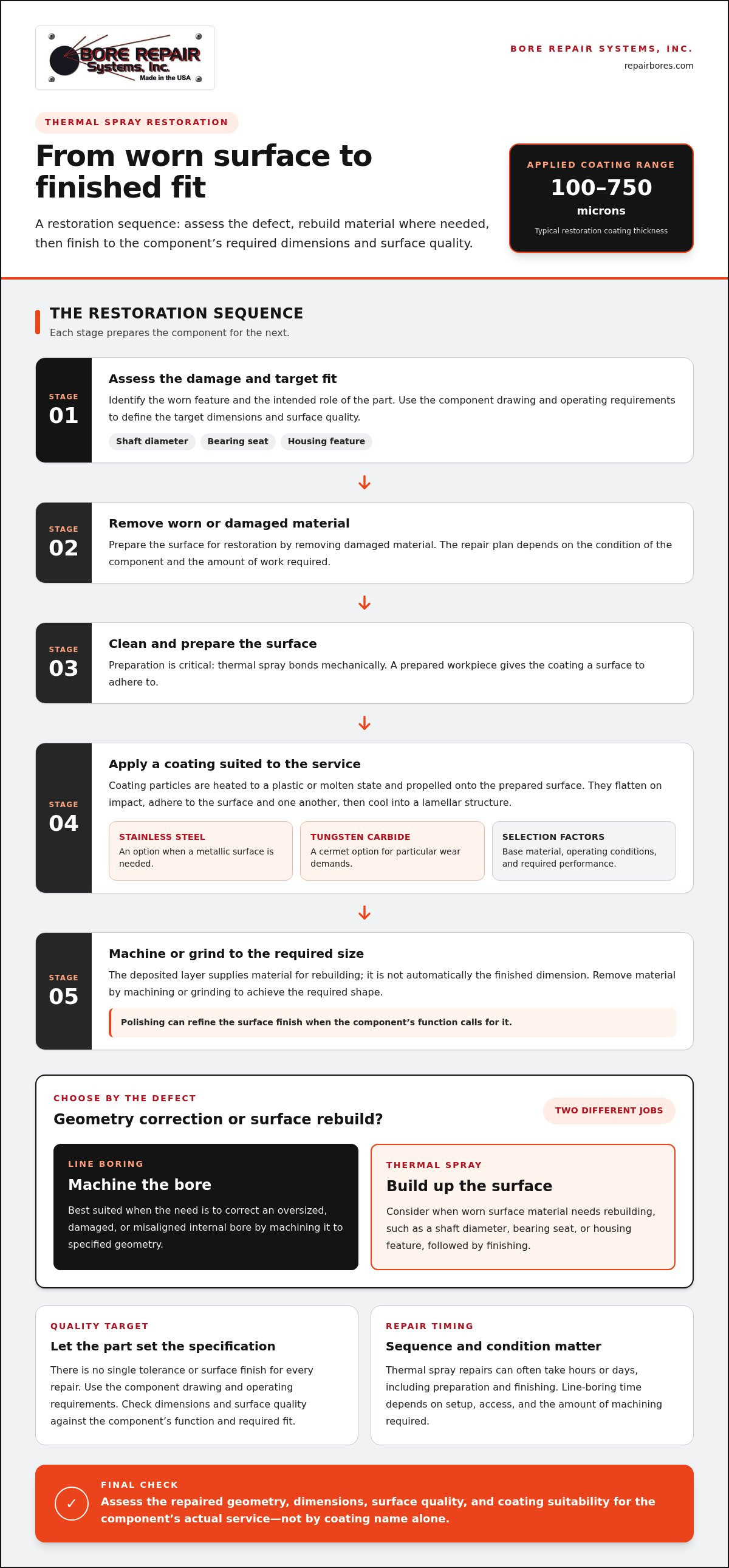
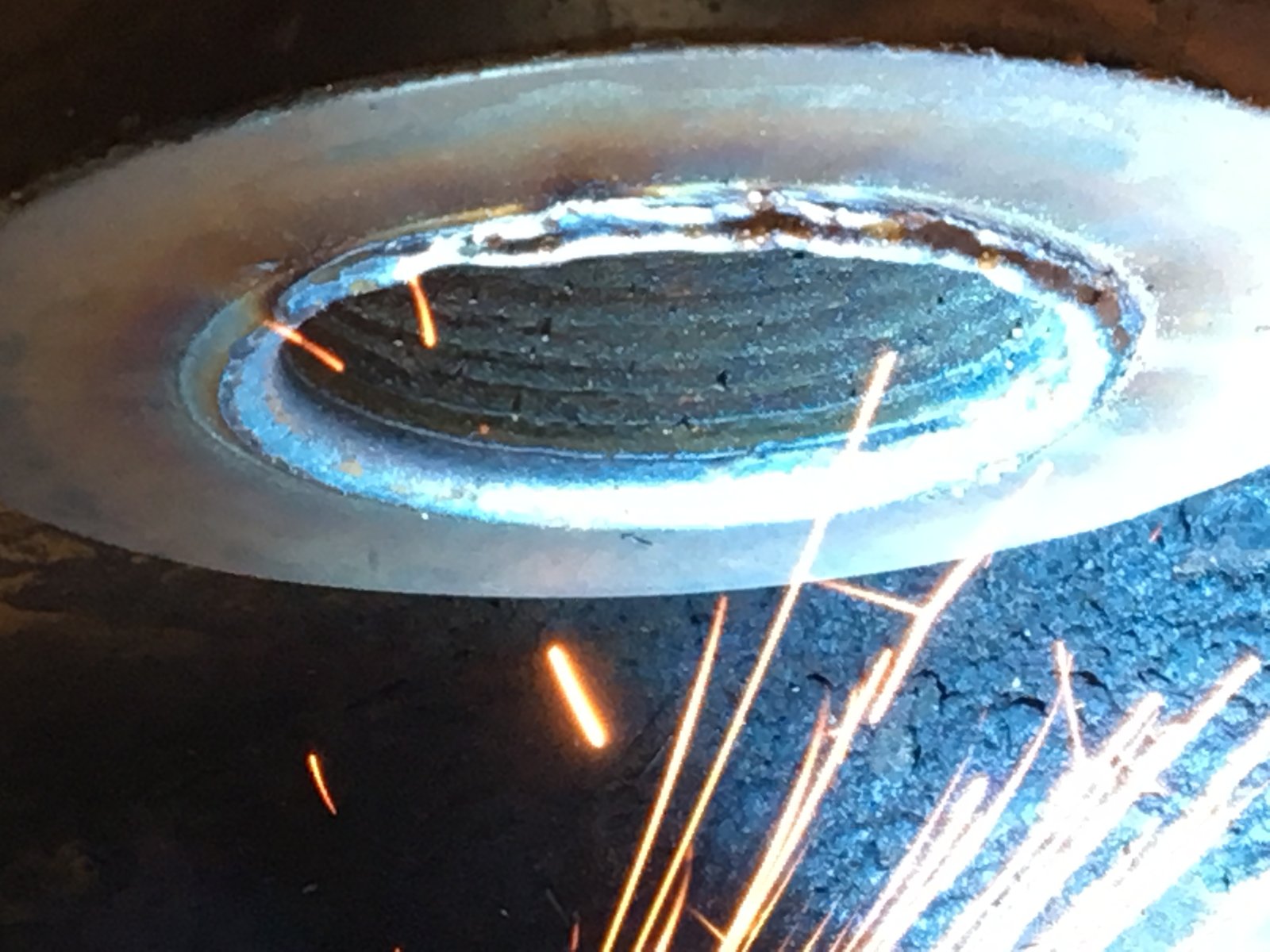
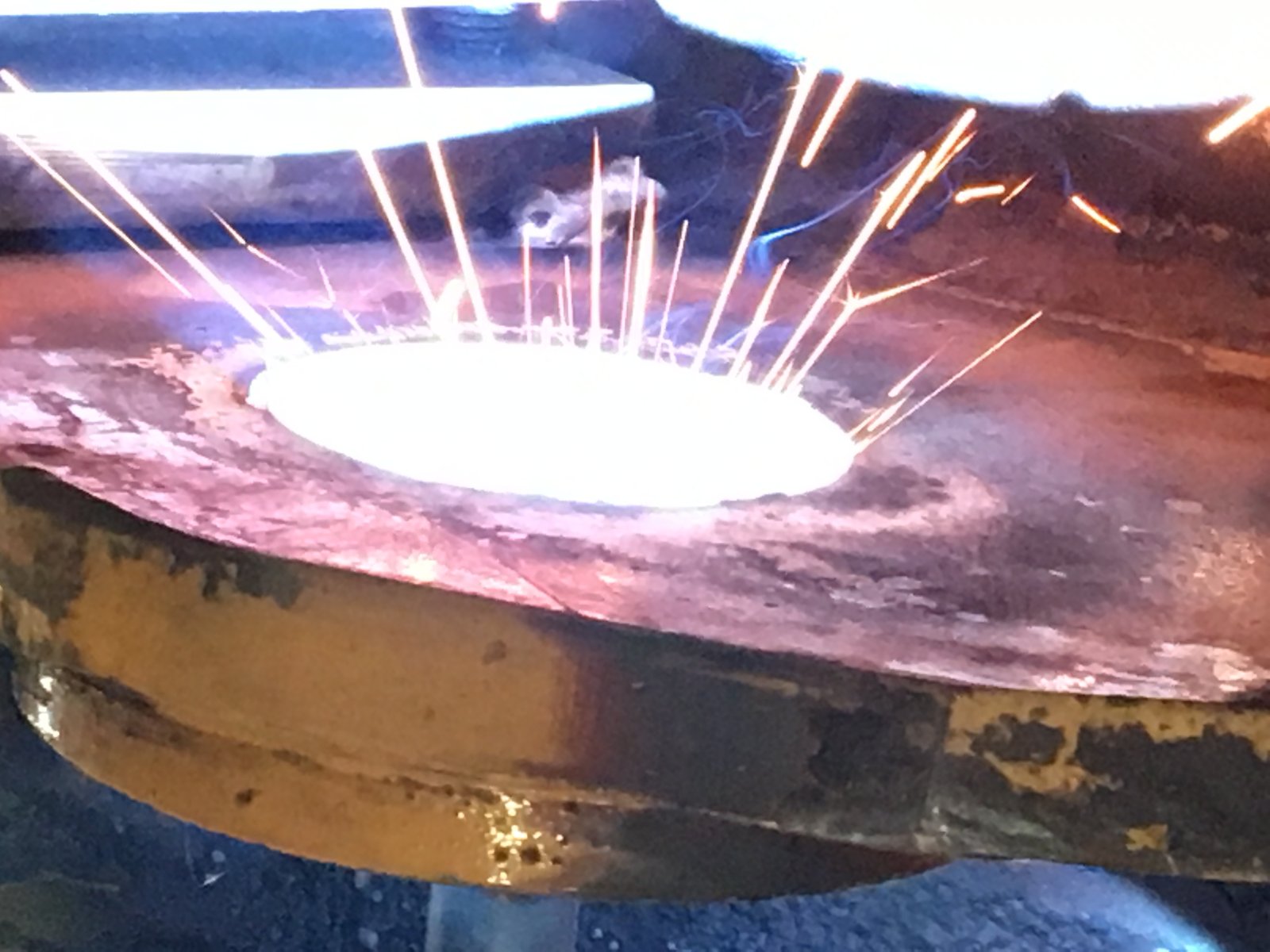
Thermal spray restoration follows a sequence: remove damaged material, clean and prepare the surface, apply the coating, then machine, grind, or polish it to specification. Preparation is critical because thermal spray bonds mechanically. Coating particles are heated to a plastic or molten state and propelled onto the prepared workpiece. They flatten on impact, adhere to the surface and to one another, then cool into a lamellar structure.
Coatings used for restoration and repair are typically applied at thicknesses of 100-750 microns. That layer supplies material for rebuilding a worn area, but it is not automatically the finished dimension. After deposition, machining or grinding removes material to achieve the required shape. Polishing can then refine the surface finish where the component’s function calls for it.
No single tolerance or surface finish applies to every line-bored or thermal-sprayed bore. The component drawing and operating requirements set the target. Thermal spray adds material before finish machining, while line boring cuts the bore to its specified geometry.
Turnaround depends on the repair sequence and component condition. Thermal spray repairs can often take hours or days, including preparation and finishing. Line-boring time depends on setup, access, and the amount of machining required.
Keep the coating and finish specification tied to the part’s actual service. A bearing seat, for instance, needs dimensions and surface quality suited to its bearing, while a sealing surface must meet its sealing function. The bore-welding and line-boring field profile offers context for the related machining side of bore repair.
Thermal spray dimensional restoration
Thermal spray restoration rebuilds worn surfaces by adding coating material, then finishing the component to its required dimensions. The choice in line boring vs thermal spray for bore restoration depends on whether the main need is correcting bore geometry or rebuilding a surface.
Restoring Worn Parts to Original Dimensions
Dimensional restoration returns a worn shaft or housing surface to the dimensions required for its intended fit. This is important when wear has loosened a bearing, seal, or mating component.
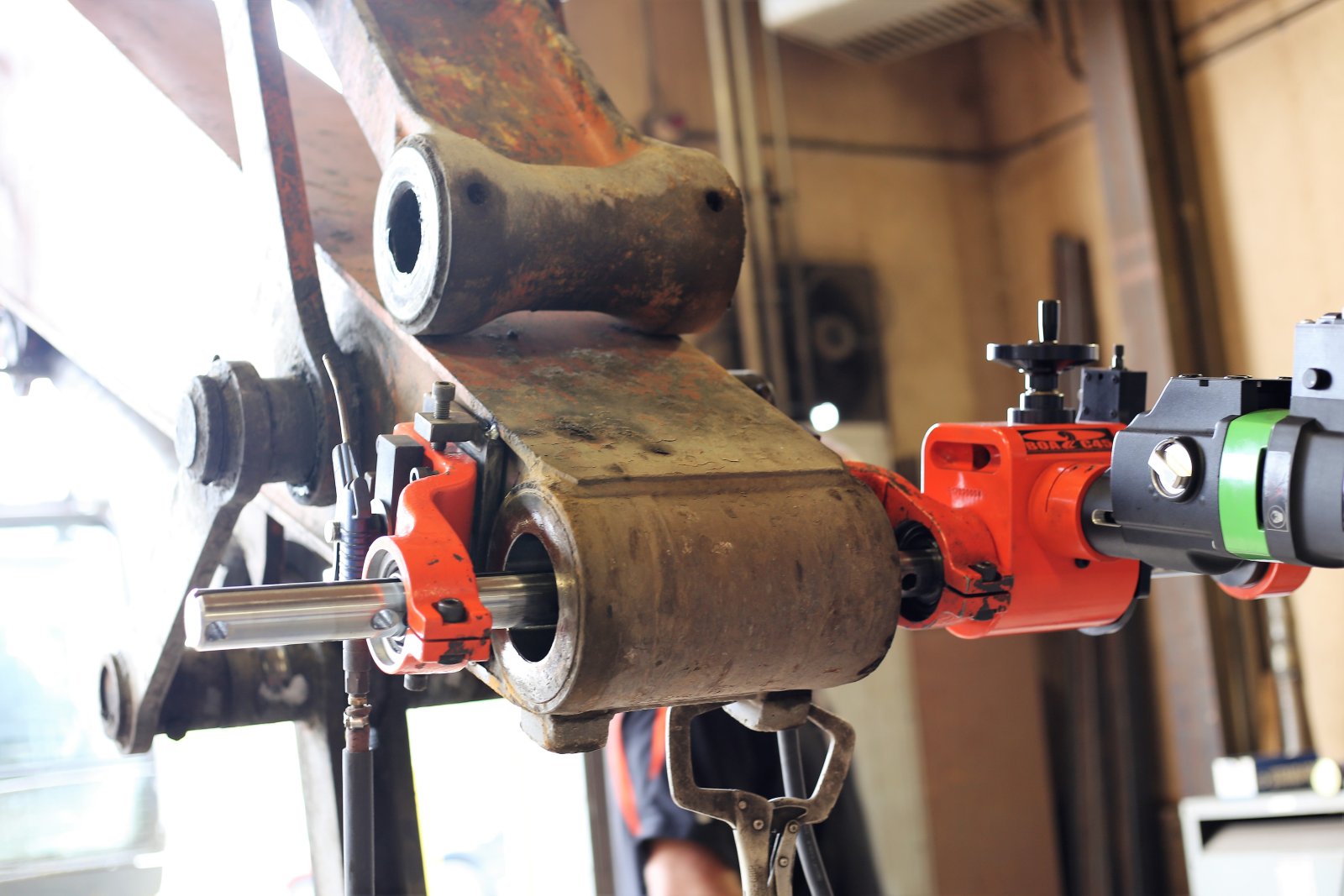
Line boring restores an oversized or damaged bore by machining its interior to the specified geometry. Thermal spray instead adds material to a prepared surface, which can then be finished. Alignment damage in a housing bore points toward machining; a worn shaft diameter may suit coating buildup. This distinction helps match the method to the defect.
Suitable Damage, Materials, and Components
Line boring suits internal bores with wear, damage, or misalignment that machining can correct. Thermal spray suits worn surfaces where coating buildup can restore a shaft diameter, bearing seat, or housing feature. The base material and operating conditions guide coating selection.
A worn shaft journal, for example, may need a coating suited to its bearing contact. A distorted housing bore may need machining to restore its geometry. Thermal spray can also be applied to irregular surfaces, so assess the damaged feature rather than assuming every repair concerns a straight bore. This is another practical distinction in line boring vs thermal spray for bore restoration.
Typical Restoration Costs
Restoration costs in the United States depend on the component’s condition, access, setup, and required work. Line-boring costs reflect machining and alignment needs; thermal spray costs reflect surface preparation, coating application, and finishing.
A shaft that needs coating and grinding requires a different work sequence from a housing that needs bore machining. Compare the specific scope, including dimensional correction and finish requirements, rather than assuming either method has a standard cost.
Thermal spray restoration follows an ordered sequence: assess damage, remove worn material, prepare the surface, apply the coating, then machine or grind it to size. Polishing can refine the finish when the component’s function requires it. Each operation affects the material available for the next, so the target fit should guide the sequence.
For a bearing seat, consider the final bearing fit, not just the amount of coating added. A sealing surface has a different function and finish requirement. The practical decision in line boring vs thermal spray for bore restoration depends on the damaged feature and the component’s intended role.
To discuss a bore-repair setup and machining sequence, contact Bore Repair Systems.
Shaft and bearing-seat restoration
Shaft and bearing-seat repairs must restore the surface that supports a bearing or seal. The method depends on whether the damage affects an external seat or an internal housing bore.
Shaft and Bearing Housing Repair
Shaft and bearing-housing repair restores worn contact surfaces so connected parts can fit and operate as intended. A worn shaft journal may need its surface rebuilt, while a damaged housing bore may need machining to correct its shape or alignment.
Thermal spray is used on shaft diameters, bearing seats, sealing surfaces, hydraulic rods, rollers, and sleeves. It can add material to a worn shaft, which is then machined to the target dimensions. Line boring addresses the inside of a housing bore, cutting its surface to restore geometry. Corrosion and mechanical wear help identify which surface needs repair.
Assess the shaft separately from its housing. A worn shaft journal, for example, calls for a different repair plan from an oval or misaligned housing bore. Treating both as the same problem can leave the bearing fit incorrect, even if one surface looks restored.
Bearing-Seat Restoration
Bearing-seat restoration rebuilds the surface that locates and supports a bearing on a shaft or inside a housing. The seat matters because the bearing depends on it for the intended fit and position.
Thermal spray can restore a worn shaft diameter or bearing seat by adding a coating, then finishing it to the required dimensions. On a bearing journal, coating particles should strike near 90 degrees, with a tolerance of plus or minus 5 degrees, for desirable adhesion. Adhesion can fall significantly outside the 85-95 degree range.
After coating, machining or grinding brings the seat back to its specified size. Check the entire seating surface, not just the visibly worn area. A local high spot can affect bearing contact, while corrosion elsewhere may call for broader surface preparation before coating.
Bearing and Seal Fit Repair
Bearing and seal fit repair restores the contact dimensions needed for components to locate, rotate, or seal correctly. The repair must suit the bearing or seal interface, rather than simply adding material to the damaged area.
For a loose bearing on a worn shaft, thermal spray can rebuild the external seat before finishing. For a damaged housing bore, line boring can restore its internal geometry. A sealing surface on a hydraulic rod or shaft may also be restored with thermal spray, followed by machining or polishing suited to its sealing function.
Compare the original fit with the repaired surface across the full contact area. A bearing seat and a seal track have different functions, so their finish requirements may differ. Identify whether wear, corrosion, or bore distortion caused the fit problem, then choose the process that addresses that specific condition.
Component refurbishment and quality validation
Component refurbishment restores a damaged part’s function by correcting its geometry or rebuilding its surface. Set repair specifications using the component drawing, equipment manufacturer’s requirements, and the service conditions the part must withstand.
No single tolerance or finish applies to every line-bored or thermal-sprayed repair. Use the part drawing or applicable equipment specification to set dimensions, alignment, coating properties, and final surface requirements.
Begin validation with the component prepared for inspection. Remove debris, oil, and masking that could hide defects or affect measurements. Record bore or shaft dimensions before repair, then compare the finished component with its specified dimensions. For a housing bore, check size, roundness, and alignment; for a coated shaft, check the restored diameter and contact surface.
Choose measuring tools suited to the feature. A bore gauge can assess an internal bore at several positions, while a micrometer can measure a shaft journal. A dial indicator can help assess alignment or runout during setup. Compare readings with the drawing’s datum and requirements instead of relying on a single measurement or visual inspection.
For thermal spray, validate each stage of the process. Confirm that the surface was cleaned and prepared, then assess the coating for coverage and visible defects. Measure the deposited layer before finishing if the repair plan calls for it. After machining, grinding, or polishing, remeasure the final dimensions and inspect the surface for its intended function.
Coating selection also informs validation. A metallic, alloy, or cermet coating may be selected to improve wear or corrosion resistance, but the finished layer must still meet the component’s operating requirements. A restored bearing seat, for example, needs the specified fit and a suitable contact surface. A sealing surface needs a finish appropriate to its role.
Line boring has a different quality focus. Check that the machined bore meets its specified diameter and alignment relative to related bores or mounting features. If several bores share an axis, measure their relationship as well as each bore’s size. This helps determine whether the repair restored the assembly’s intended geometry.
Document the inspection sequence, measurements, coating material, and finishing steps. A clear record links the repair to its acceptance criteria and helps maintenance teams compare later wear. For example, recording a shaft’s finished diameter alongside its coating details gives future inspections a useful reference.
Use the component drawing or applicable equipment specification, together with the manufacturer’s requirements and the part’s service conditions. These define the required dimensions, alignment, coating properties, and final surface requirements. No single tolerance or finish applies to every repair.
Thermal spray repair as an alternative to replacement or welding
Thermal spray can rebuild a worn surface when replacement or welding is impractical. The right choice depends on the component, the damaged area, and the repair’s performance requirements.
Thermal Spray Versus Replacement or Welding
Thermal spray restores a component by applying coating material to a prepared surface, then finishing the coating to the required dimensions. It may offer an alternative to replacement for large or complex parts that are difficult to source, have long lead times, or require substantial capital investment.
Unlike welding, thermal spray is a low-temperature buildup process. It can coat delicate or plastic parts without excessive heat, avoiding the hardness and temper changes associated with high-temperature welding. For example, a worn shaft may be coated and ground to size rather than replaced.
Repair Risks and Limitations
Repair risks differ by method: line boring removes base material to correct bore geometry, while thermal spray relies on mechanical bonding to a prepared surface. Boring can leave too little material if the required correction exceeds what the part can tolerate. Thermal spray depends on suitable preparation, coating selection, and finishing.
Neither method addresses every failure. A component damaged beyond repair of its surfaces may need a different disposition, while an unsuitable coating may not meet operating demands. Assess the damage, base material, geometry, and service conditions before choosing.
Thermal spray coatings can use metallic, alloy, or cermet materials. Select them according to the base material, operating conditions, and required performance, including wear or corrosion resistance. For example, HVOF or flame spraying can rebuild a worn pump shaft before it is ground and polished to specification. The coating must suit the shaft’s contact and service conditions.
Thermal spray repairs can often take hours or days. Turnaround depends on the component’s condition and the steps required for preparation, coating, and final machining. Complex geometry or extensive surface damage can change the work sequence, so the repair plan should account for the whole component, not just the visibly worn area.
Replacement remains the practical choice when a component cannot perform its function after surface restoration. Thermal spray is most relevant when the base part remains usable and a worn surface can be rebuilt. Welding may suit other repair needs, but its heat input matters when the part’s material characteristics must be preserved.
Compare the repair route against the component’s geometry, material, and operating demands. For guidance on equipment and methods for bore repair, discuss your repair application.
Bore Repair Systems, Inc. - Bore Repair Made Easy with our USA made Lineboring and Boreweld solutions: Bore Welders
Bore Repair Systems, Inc., known as RepairBores, provides bore welders, line boring machines, bore sizers, and accessories for heavy-equipment bore repair. If a bore needs machining rather than a thermal-spray coating, its line boring machines support line-boring work. Bore welders and accessories support bore restoration, while line boring and bore welding training helps operators learn to use this equipment.
Turn to these tools and training when your repair plan calls for correcting bore geometry or restoring worn bores through machining and welding. Thermal spray is a different process for coating-focused repairs; this equipment is relevant when your chosen approach includes line boring or bore welding.
For help exploring bore-repair equipment and training, contact Bore Repair Systems or visit repairbores.com.
Turn the Repair Decision Into a Clear Next Step
Use the choice between line boring vs thermal spray for bore restoration to improve maintenance planning, not just resolve one repair. Set a clear decision process for each component family, taking the equipment’s operating role and repair objectives into account. This gives technicians and managers a shared basis for planning future work and evaluating options.
Start with the component that poses the greatest operational concern. Identify the repair capability your team needs, the equipment and accessories that support it, and whether additional training would help establish consistent practices. A practical plan makes the next bore-repair decision easier to communicate across maintenance and engineering teams.
Bore Repair Systems, Inc. offers Bore Welders, Line Boring Machines, and line boring and bore welding training services for teams developing their repair capabilities. Explore the approach that fits your operation, then contact Bore Repair Systems to discuss your equipment needs.
A sound repair plan starts with the component and the work it must do. Choose a process your team can apply with confidence.
Frequently Asked Questions
What is thermal spray bore restoration and how is it applied?
Thermal spray bore restoration adds a selected coating to a component’s prepared surface, then finishes it for the intended fit. For example, HVOF or flame spraying can rebuild a worn pump shaft, which is then ground and polished to specification. Selection depends on the shaft’s base material, operating conditions, and required wear or corrosion resistance. The process can also treat irregular surfaces, making it relevant beyond straight cylindrical bores.
How do line boring and thermal spray compare in accuracy, durability, and material removal?
Line boring corrects internal bore geometry by cutting material, while thermal spray adds coating material before finishing. Both can achieve specified dimensions when the process and inspection meet the component’s requirements. Neither method is automatically more durable: performance depends on the component’s material and service conditions, and, for thermal spray, coating suitability and adhesion. For connected bores, alignment matters alongside diameter; a correct size alone does not establish a shared axis.
When should a bore be line bored versus repaired with thermal spray?
Choose line boring when the bore itself needs correction, such as a worn or distorted housing bore that must regain its geometry or alignment. Choose thermal spray when surface material has been lost and rebuilding it addresses the repair need. For example, a worn shaft seat may be coated and finish-machined, while a misaligned housing bore calls for machining. The base material, operating conditions, and required fit inform the choice.
What are the typical tolerances and surface finishes for line-bored and thermal-sprayed bores?
There is no universal tolerance or surface finish. The component drawing and operating requirements set the target: thermal spray adds material before finish machining, while line boring cuts the bore to its specified geometry.
Comments