

When Not to Bore Weld: Recognize Fusion Failure and Cracking

Updated: Nov 6
Don’t bore weld over cracks or a surface that can’t be prepared for sound fusion. Knowing when not to bore weld means treating cracks and lack of fusion as stop signs until the underlying cause is addressed, not covering them with another pass. Internal bore welding uses a welding head inside a bore to deposit weld metal along its inner surface.
It’s easy to focus on restoring the bore’s dimensions, but a buildup is useful only if the weld bonds properly and remains sound. Defects can undermine the repair and leave the bore unsuitable for service.
This article explains how internal bore welding works and what lack of fusion and cracking can signal. You’ll learn what to inspect before welding, why these defects matter, and when to pause and reassess the repair approach.
Table of Contents
2. Weld cracking
Cracks are a reason to stop before adding more weld metal. Bore welding can cause distortion, cracking, and heat damage: localized heating expands surrounding material, then cooling pulls it inward. That movement can alter bore alignment, while heat can affect nearby surfaces or components. Inspect the full repair area before deciding whether to continue.
Cracking may appear during welding or after the deposit cools. A visible crack can mean the weld or surrounding base metal has separated. Adding another pass over it won’t remove the underlying defect. Clean the area, locate the crack’s full extent, and assess whether enough sound material remains for preparation and fusion. If the crack extends beyond the repair surface, welding over it can conceal damage without resolving it.
Cooling rate matters. For steel sections at least 3/4 inch thick, preheating is one reported way to reduce a sharp temperature change. Dry consumables, controlled heat input, and slower cooling are also used to help reduce cracking. These are process considerations, not universal settings: the material, joint condition, and welding procedure affect which controls suit the repair. A thick steel boss, for example, won’t behave like a thin section around a bore.
Heat control also affects the weld puddle. Narrow beads, lower heat, and faster travel can help the puddle solidify before it grows too large. Wire diameter is another variable: 0.8-millimeter or 0.9-millimeter wire has been recommended alongside lower heat for this purpose. Don’t treat either wire size as a default for every bore. A change in diameter affects deposition and must fit the process setup and material.
Before another pass, use a practical inspection sequence:
Remove dirt, rust, and loose material from the bore surface.
Look for cracks, incomplete fusion, and irregular bead edges.
Check whether heat has distorted the bore or affected nearby features.
Stop if cracking continues or the defect extends into the base material.
In a confined bore, limited access can make inspection and heat control harder. A crack hidden beneath a bead may not appear until machining exposes it. If you can’t establish a clean surface for sound fusion, pause and reassess the repair rather than burying the defect. The cause and location of the crack, along with the remaining material, determine whether preparation can create a suitable welding surface.
3. What are the limits of bore welding by bore size, depth, and material?
Bore-welding limits depend on access, machine setup, material condition, and the amount of metal needed. A reported example involved a bore measuring 3.625 inches in diameter and 5 inches long. That example shows a repair that was performed, not a universal size limit. Diameter alone can’t tell you whether a bore is suitable. The welding head must fit, reach the damaged area, and travel consistently along the bore.
Bore depth affects the setup. A long, narrow bore can restrict access, visibility, and control of the weld head. The operator also needs to maintain suitable alignment and a consistent distance from the work surface. A short, open bore presents different access conditions. Inspect the full length of the damaged area, not just the opening. A bore may look accessible at its mouth while deeper wear or an obstruction prevents consistent welding.
Diameter affects travel and rotation. One contributor reported slowing rotation to about half the chart recommendation while welding a 3.5-inch bore. That adjustment illustrates why a machine’s setup must suit the bore, rather than relying on a setting from another diameter. Too much variation in travel or alignment can produce uneven buildup. Evaluate the whole circumference and the depth of wear before deciding whether the equipment can reach and cover the target surface.
Material matters as much as geometry. The base metal’s condition and compatibility with the deposited weld metal affect whether the repair can bond properly. Unknown, contaminated, or damaged material complicates preparation and process selection. A heavily worn bore also needs enough sound surrounding material to support the repair. Don’t assume that success on one component proves another alloy or casting will behave the same way.
Use these checks to judge feasibility:
Measure the bore’s diameter, length, and worn area.
Confirm that the welding head can reach the full repair surface.
Consider whether rotation and travel can stay consistent around the bore.
Identify the base material and assess its condition before choosing a process.
One reported contributor built up a bore by close to 0.250 inch in one pass. That figure is an example, not a dependable allowance for every repair. Required buildup depends on the damaged dimensions, machine control, and material. If access, sound base material, or controlled travel is lacking, bore welding may not be suitable. Use the measurements and material details to frame a discussion about bore-welding limits before selecting a repair approach.
4. Which materials or alloys cannot be safely bore welded?
There is no reliable universal list of alloys that are always unsafe to bore weld. The decision depends on the base metal, its condition, the welding procedure, and the deposited material. An unidentified alloy creates a clear limitation: without knowing what the weld must join, the operator can’t confidently select a suitable procedure. Identify the material before setting up the repair.
Start with the part’s material records or markings, then compare them with the actual component. A replacement insert or previous repair may mean the bore no longer has a uniform base metal. For example, a weld bead crossing an old deposit and original casting encounters different surfaces. If the material or repair history remains unclear, don’t treat the entire bore as uniform.
Material condition matters, too. Oil, rust, dirt, and coating residues can interfere with preparation and fusion. Remove surface contamination and inspect the exposed metal before welding. A coating left inside the bore can release contaminants under heat or prevent direct contact with clean base material. If machining exposes a different layer, reassess the repair surface before depositing weld metal.
Depending on its design and condition, a part may also be vulnerable to the heat cycle. Heat may change dimensions or affect nearby features, especially when a bore sits close to a thin wall, seal, or fitted component. For example, a precision bore beside a heat-sensitive feature presents a risk beyond the bore itself. Map the affected area and consider the whole component.
Before choosing a welding procedure, work through these checks:
Identify the base material and any previous weld deposits.
Inspect the bore for coatings, oil, corrosion, and embedded debris.
Determine whether the part’s geometry can tolerate localized heating.
Confirm that the selected filler and procedure suit the material combination.
Stop if the material remains unidentified, the repair surface contains incompatible deposits, or the part can’t tolerate the heat involved. These conditions make sound fusion and predictable results difficult to achieve. A material mismatch can leave a deposit that looks complete but hasn’t bonded properly. Preparation can remove contamination, but it can’t resolve an unsuitable combination of base metal and filler. Separate the materials in a mixed repair area and assess each interface before welding.
This helps answer when not to bore weld: pause when material identity, condition, or heat tolerance prevents a controlled process. Record the component, exposed layers, and preparation steps. These details provide a clear starting point for the welding procedure and help determine whether bore welding suits the part at all.
5. When is replacing a part better than bore welding?
Replace the part when its remaining structure can’t support a sound repair. Bore welding restores material to a worn surface, but it doesn’t rebuild a cracked housing or restore missing support around the bore. For example, adding weld inside the bore won’t address a crack that extends through the housing wall. Assess the entire part, not just the repair area, before choosing.
Start by mapping the damage. Mark cracks, worn surfaces, corrosion, and previous repair deposits. Then consider how much material machining would remove to reach clean, sound metal. If machining leaves too little wall thickness or exposes further damage, the repair may no longer preserve the part’s function. A bore that looks locally worn may be part of a larger failure zone.
Replacement may also make sense when the material’s identity or condition prevents a suitable welding procedure. A mixed-material repair area, such as original metal beside an old weld deposit, complicates the interface. If the base material is unknown or severely degraded, adding weld metal may not produce a dependable bond. Identify the material and assess each repair surface before deciding whether rebuilding the bore is feasible.
Consider the component’s role, too. A bearing bore in a structural housing must return to alignment and support its mating part. If distortion has shifted the bore relative to other features, restoring its diameter alone won’t correct that relationship. Replacement may be the clearer option when damage affects several precision surfaces or the component’s overall geometry.
Use a practical decision sequence:
Inspect the complete component, not only the worn bore.
Locate cracks and determine whether they extend beyond the repair surface.
Assess whether machining can expose sound material without weakening the part.
Compare the required geometry with the condition of surrounding features.
Choose replacement if the part cannot retain its function after repair.
Repeated repair attempts are another warning. If an earlier buildup cracked, failed to bond, or left the bore out of alignment, repeating the same approach won’t address the cause. Reassess preparation, material compatibility, and the extent of the damage. If the underlying problem is widespread, replacing the component can avoid building another repair on compromised material.
Don’t decide by appearance alone. A clean bore surface doesn’t prove the housing is sound, and a worn bore doesn’t automatically require replacement. Record the damage, material condition, and geometry requirements. Those findings show whether bore welding can restore the needed surface or whether the component has reached its practical repair limit.
5. How does bore welding compare with metal spraying, sleeving, or machining
Bore welding adds weld metal to a worn surface, then machining restores the required bore geometry. Metal spraying applies a coating to a prepared surface. Sleeving places an insert inside the bore, while machining alone removes material to create a finished surface. These methods address different problems. Choose based on the damage, material, available space, and fit required by the mating component.
For a bore with localized wear and suitable base material, welding can rebuild the surface before line boring finishes it. The process requires controlled deposition and enough sound material for a bond. Metal spraying may suit a surface restoration where a coating can provide the needed buildup. Its performance depends on the coating, preparation, and service conditions. Don’t choose either process by appearance alone.
A sleeve changes the bore’s construction. The existing bore must accommodate an insert, and the sleeve must fit both the housing and the working component. For example, a thin housing or a bore near another feature may leave little room for an insert. Check available wall thickness and alignment before choosing sleeving. Welding avoids adding a separate insert, but it introduces localized heat and still requires finish machining.
Machining is essential for sizing and alignment, but it can’t replace missing metal by itself. If a bore is oversized, further machining would enlarge it. A repair may therefore require buildup, a sleeve, or another restoration method before final machining. If the bore is already close to its intended dimensions, machining may be enough to correct surface irregularities, provided the part retains the required geometry.
Compare the options against the repair need:
Bore welding: rebuilds worn areas with deposited weld metal, followed by machining.
Metal spraying: adds a surface coating; preparation and coating suitability matter.
Sleeving: installs an insert, which needs space and a suitable fit.
Machining: corrects geometry by removing material, but doesn’t restore missing material.
For example, a worn bore with sound surrounding material may suit buildup and finish machining. A housing with limited clearance may rule out a sleeve, while a bore needing only cleanup may not need added material. Compare material compatibility, access, final alignment, and the condition of nearby surfaces. A repair-method discussion can help relate those factors to the bore and equipment involved.
For internal bore welding, joint preparation and access also affect whether buildup is practical. Preparation requires a machined groove around the tube-plate hole to create a small stub or upstand. Internal bore welding heads use axial positioning adjustments to align the electrode with the joint. The process uses an orbital TIG system, with backing gas or flux applied to the joint outside diameter. These requirements distinguish the method from simply machining the bore or fitting a sleeve, and should be considered alongside the component’s geometry and repair needs.
Reported setup details vary: a contributor reported using 19.2 volts for bore welding with a BOA setup, while a forum member used 1.2mm ER70 S-6 wire with Argoshield. Internal bore welding joints should be visually inspected internally and externally, with additional pressure tests and non-destructive testing performed according to project requirements (available through specialized inspection providers such as internationaltestingservices.com). The applicable checks help determine whether the rebuilt joint meets the needs of the project, rather than relying on the appearance of the finished bore alone.
Bore Repair Systems, Inc. - Bore Repair Made Easy with our USA made Lineboring and Boreweld solutions: Bore Welders
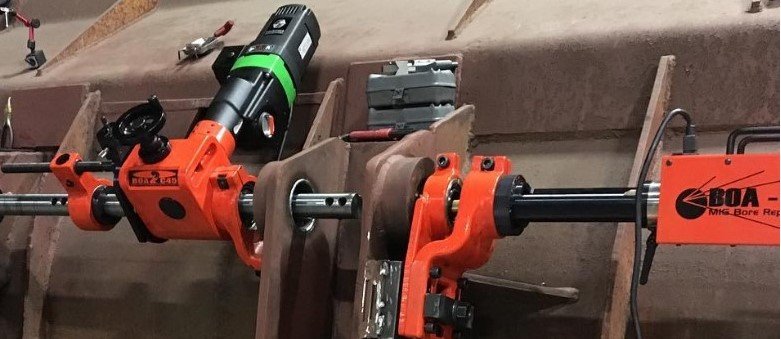
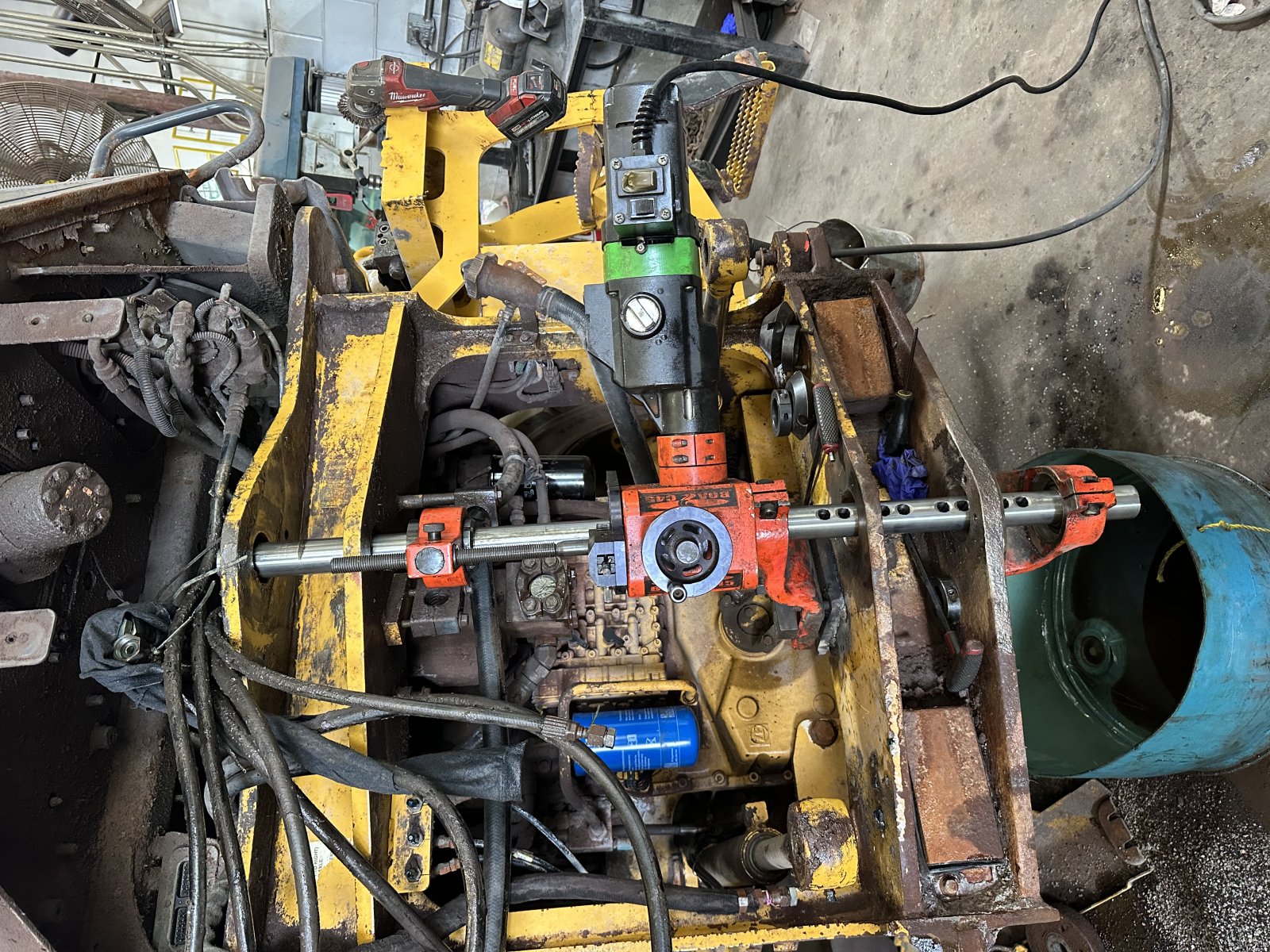
Bore Repair Systems, Inc. - Bore Repair Made Easy with our USA made Lineboring and Boreweld solutions offers Bore Welders for teams restoring worn equipment bores. Pairing bore welding with line boring helps rebuild a damaged surface and machine it to the required geometry. The right repair still depends on sound material, suitable access, and controlled welding conditions.
Turn to Bore Repair Systems when you’re evaluating bore-welding equipment or building practical repair skills. The company offers line boring and bore welding training to help operators learn to prepare, weld, and machine bores as a coordinated process. Line boring machines and bore repair accessories support that work.
To discuss equipment or training for your bore repair work, contact Bore Repair Systems.
Make the Next Repair Decision Deliberate
Turn the inspection into a clear repair plan. Record the component’s condition, the repair goal, and the checks that will show whether the finished bore meets its intended function. This record helps your team explain its choice of repair method and gives future maintenance work a useful starting point.
Knowing when not to bore weld helps protect the part without delaying the job unnecessarily. If inspection points toward welding, match the equipment, process, and operator skills to the work ahead. If it points elsewhere, use the evidence to choose a different approach with confidence.
For help planning your bore-repair approach, discuss your project with Bore Repair Systems. A disciplined decision now sets up the next repair step clearly.
Frequently Asked Questions
What is Internal Bore Welding (IBW)?
Internal Bore Welding (IBW) can refer to an orbital TIG process that joins components from inside a tube. In shell-and-tube heat exchanger production, a welding head positions a tungsten electrode inside the tube and rotates it along the joint. This differs from heavy-equipment bore repair, where weld metal is deposited inside a worn bore to restore its working surface. The application determines which process the term describes.
What is bore welding and when is it used?
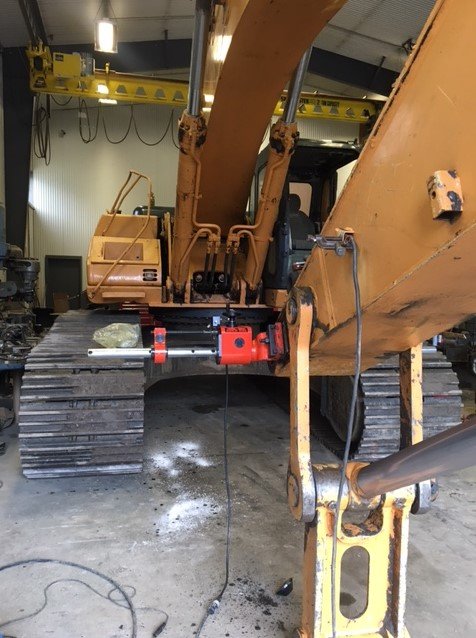
Bore welding restores a worn internal surface by depositing weld metal where the bore has lost material. It’s used when a component, such as an excavator pin bore, needs material rebuilt before its working diameter and alignment can be machined. The repair addresses the bore surface rather than replacing the entire component. The part’s condition and required fit determine whether the method suits the job.
When should you not use bore welding to repair a worn bore?
Don’t bore weld when cracks, unsuitable material, or damage beyond the bore prevents a sound repair. For example, a cracked housing wall or a distorted component with several misaligned features may require a different solution. Stop if the base material can’t be identified or the repair surface can’t be properly prepared. These conditions make it difficult to restore the bore’s fit without leaving the underlying problem unresolved.
What safety precautions and standards apply to bore welding?
Inspect and clean the full bore, identify the base material, and stop if cracks continue, reach into the base metal, or sound fusion cannot be established. Control heat and cooling; preheating is one reported option for steel sections at least 3/4 inch thick. ASME B31.3 and API 1104 set defect limits for pipe welds; their applicability depends on the repair.
Comments