

When to Use Portable Machining to Avoid Equipment Removal

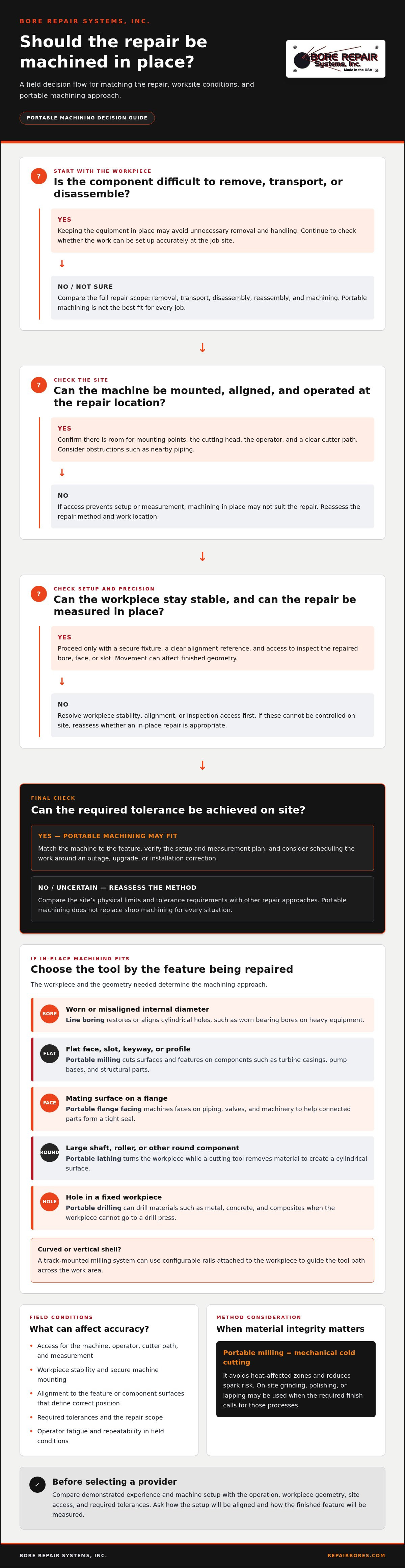
Keeping equipment in place can be the most practical repair option. Use portable machining when a large or fixed component is difficult to remove, transport, or disassemble, and the work can be performed accurately at the job site. The right tool brings machining capability to the workpiece, helping avoid unnecessary equipment removal.
Removing a component for shop work adds handling and reassembly to an already demanding repair. Portable machining is not a replacement for a machine shop in every situation. It brings machining capability to work that is difficult to reach or move.
This guide explains when portable machining can make sense, which tools suit common field applications, and what challenges can affect accuracy on site. You’ll also learn how access, workpiece condition, tolerance requirements, and outage timing shape the decision, and how machining in place can help limit downtime.
Table of Contents
Portable machining tools and applications
Portable machining brings the machine tool to the workpiece instead of moving the component to a shop. It extends machining capability to hard-to-reach locations, but does not replace shop machining for every job. A fixed pump base, large vessel, or installed shaft may be machined in place when access and setup allow.
Choose the tool by the feature that needs cutting. Line boring machines restore or align the internal diameter of cylindrical holes, such as worn bearing bores on heavy equipment. Portable milling machines cut flat surfaces, slots, keyways, and other profiles on components including turbine casings, pump bases, and structural parts. Their guided cutting path can produce more consistent geometry than manual grinding.
Portable flange facers: Machine mating faces on flanges for piping, valves, and machinery. A flat, accurate face helps connected parts form a tight seal.
Portable lathes: Turn large shafts, rollers, and other round components at the worksite. Turning rotates the workpiece while a cutting tool removes material to create a cylindrical surface.
Portable drilling machines: Drill holes in materials such as metal, concrete, and composites when a fixed workpiece cannot go to a drill press.
Portable milling systems: Machine surfaces or features on large, fixed structures. Track-mounted systems use configurable rails attached to the workpiece, allowing the tool path to follow curved or vertical shells.
Application matters as much as machine type. Portable milling can cut access windows in thick-walled vessels, correct installation inconsistencies, or prepare a weld-ready surface during a planned outage. On curved or vertical shells, a track-mounted system can guide the cutter across the work area. For a worn equipment bore, line boring addresses the internal diameter; milling is better suited to a flat mounting face or slot.
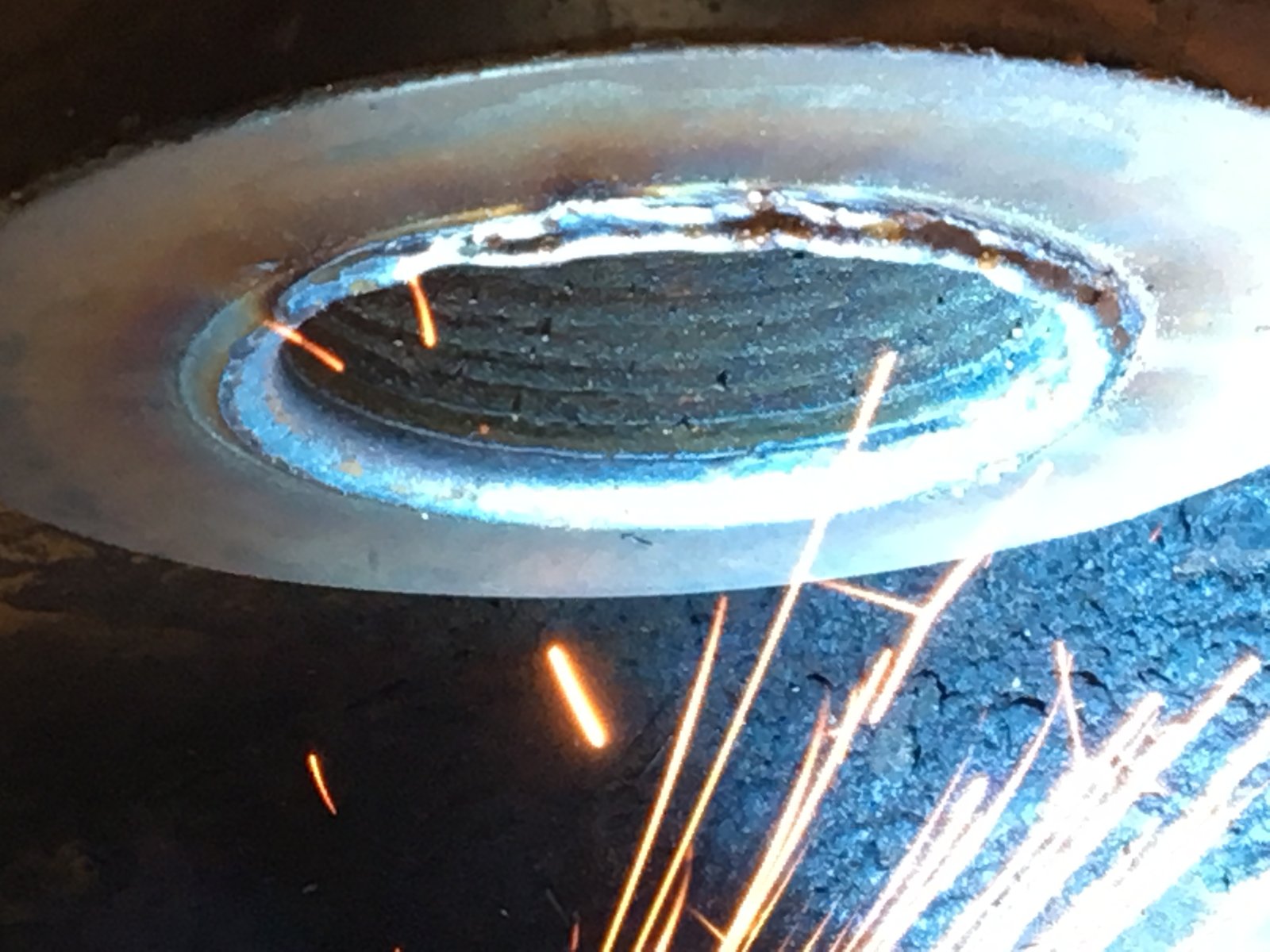
Machining method affects the surrounding work. Portable milling is a mechanical cold-cutting process, which avoids heat-affected zones and reduces spark risk. That can matter when preserving the component’s material integrity is important. On-site grinding, polishing, or lapping may be used when the required finish calls for those processes.
When choosing a portable machining provider, compare the provider’s demonstrated experience and machine setup with the operation, workpiece geometry, access, and required tolerances. Ask how the setup will be aligned and how the finished feature will be measured. Those details help show whether the approach suits the job.
The decision about when to use portable machining comes down to the workpiece, the feature to be machined, and whether the tool can be secured and aligned on site. A large fixed housing with a worn bearing bore points to line boring, while a damaged flange face needs facing equipment. Match the process to the feature to avoid choosing a tool that cannot produce the required geometry.
Precision machining without equipment removal
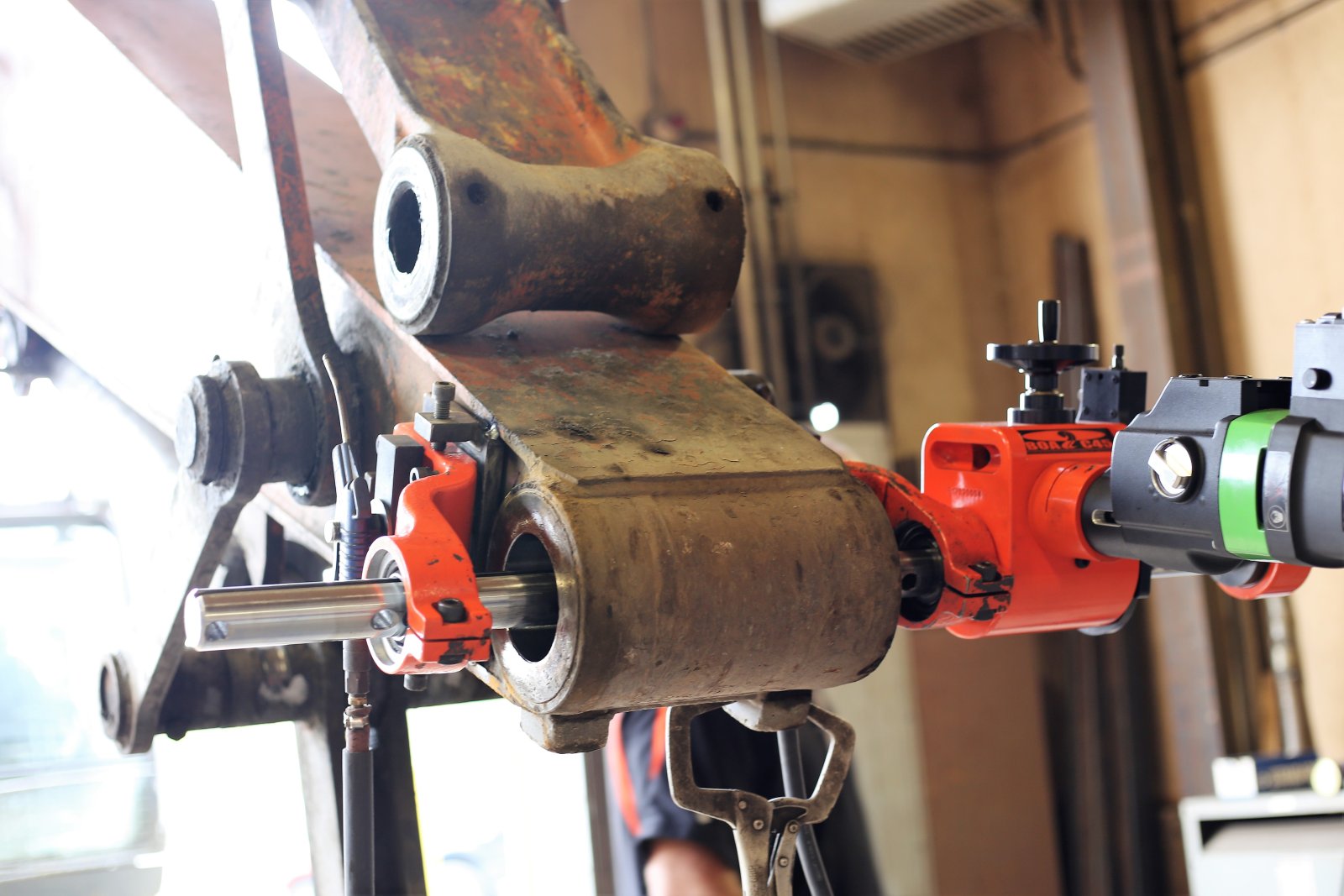
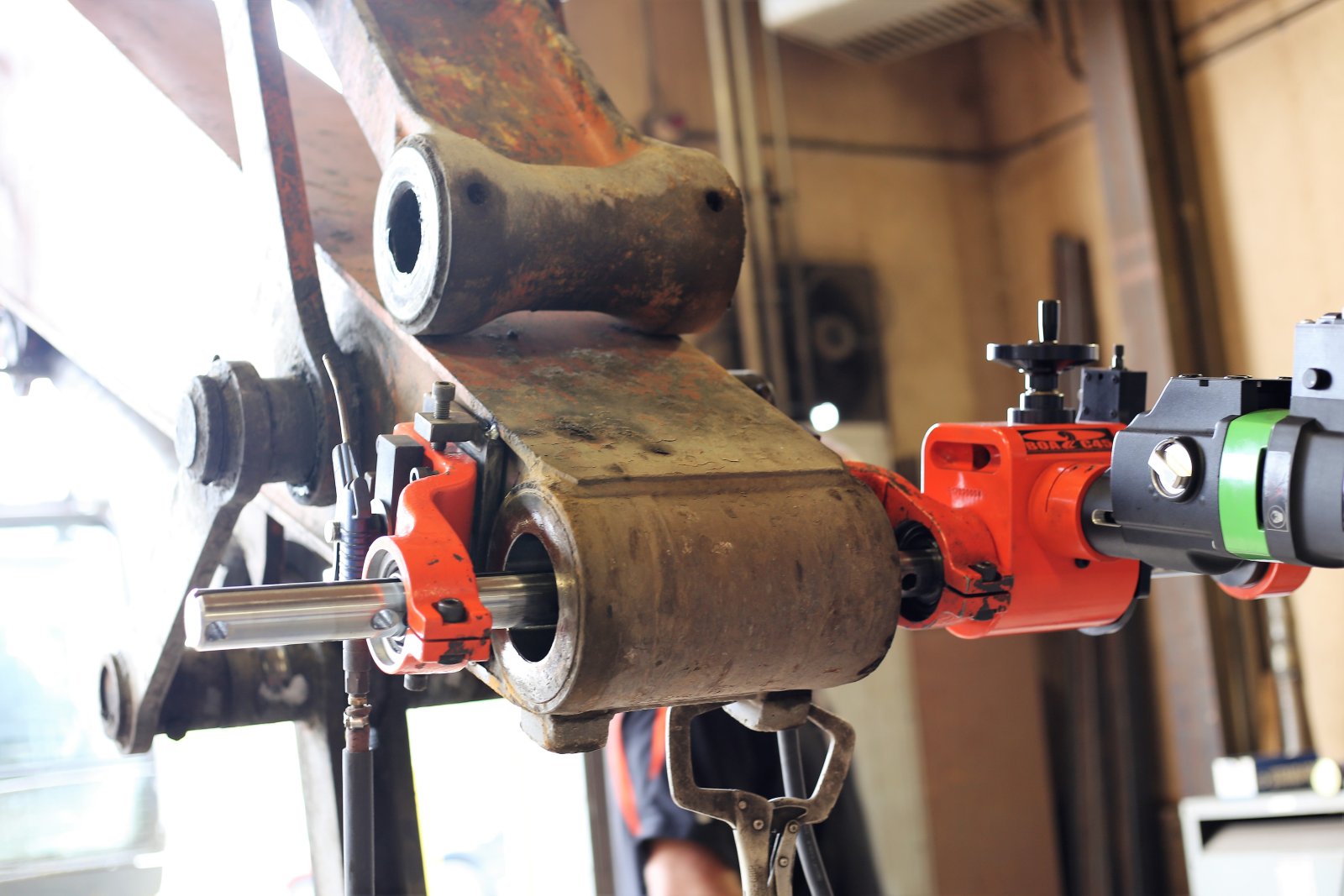
Portable machining can keep equipment in place while a damaged feature is repaired. That matters when a large pump housing, press frame, or installed shaft is difficult to move safely. Instead of transporting the component to a workshop, the machine tool is mounted and aligned at the worksite. The repair targets the surface or bore that needs correction while the surrounding equipment remains assembled.
Keeping a workpiece installed does not remove the need for careful setup. The component must be stable, and the machine must be secured against movement during cutting. Alignment sets the tool’s path in relation to the existing feature. For a worn bearing bore, line boring can restore the internal diameter or bring it back into alignment. For a distorted mounting surface, portable milling can machine a flat plane without dismantling the whole assembly.
Access shapes the decision. A machine may fit the repair location but still lack room for its mounting points, cutting head, or operator. Consider a fixed vessel with a damaged area behind nearby piping. A portable mill may reach the surface if its rail or fixture can be attached and the cutter has a clear path. If the work area prevents setup or measurement, machining in place may not suit the repair.
Workpiece condition: Check whether the component can be held steady during cutting. Movement can affect the finished geometry.
Tool alignment: Establish the machine’s reference from the feature or component surfaces that define correct position.
Measurement access: Make sure the repaired bore, face, or slot can be inspected while the setup remains in place.
Repair scope: Identify the exact material and feature to remove, so the setup matches the required geometry.
Portable machining is useful when removing a component would add handling and reassembly without improving access to the defect. A large industrial base, for example, may be easier to machine in place than to disconnect and transport. The work can also be scheduled during an outage or equipment upgrade. Match the repair method to the required tolerance and the site’s physical limits.
Precision depends on controlling the relationship between the cutter and workpiece throughout the operation. A secure fixture, a clear reference, and access for measurement all help. For a bore repair, the machinist must account for the bore’s position and axis, not just remove visible wear. For a flange face, the mating surface must be machined to fit the connected part properly.
If a fixed component has a bore or surface that needs machining, discuss the workpiece and access conditions with a bore repair equipment specialist. That conversation can help clarify whether an on-site setup fits the repair.
Field machining challenges
A workshop controls its floor, lighting, and workholding. A field crew may face a confined platform, uneven footing, nearby pipework, or weather exposure. These conditions can complicate machine mounting and measurement. A portable mill may reach a vertical surface, for example, but nearby bracing could obstruct its rail or cutter travel. Site access must allow both machine setup and the inspection needed to verify the cut.
Portable machining requires a suitable machine and mounting arrangement, clearance for the cutter and operator, and access to the required power or drive source. A line boring setup also needs stable attachment points and room to align the bar through the bore.
Moving cutters, chips, and an unsecured machine create hazards during field work. Secure the setup, keep people clear of the cutting path, and control chips before machining starts.
Accuracy is another key consideration. On-site machinists must meet the tolerances the component needs to function properly. A bore that is slightly out of alignment can affect bearing fit, while an uneven weld-preparation surface can complicate the next repair step. The reference surface, machine rigidity, tool alignment, and measurement method all affect the result. Plan how to check the feature before cutting, not after dismantling the machine.
Restricted access: A pump housing beside a wall may leave limited room for mounting hardware, tool travel, or inspection instruments.
Unstable support: Vibration or movement in the workpiece can affect a cut. Confirm the equipment and fixture remain steady under machining forces.
Operator fatigue: Manual grinding in field conditions can tire operators and make repeatable, weld-ready surfaces difficult to achieve.
Measurement limits: Poor visibility or blocked access can make it harder to read a bore or surface accurately during setup and inspection.
Field conditions can also change during the job. Nearby equipment may restrict access once covers or guards are removed, and site traffic can interfere with a controlled work area. Plan material handling and chip collection around the actual workpiece. On a vessel shell, for example, a track-mounted mill needs a clear rail path and secure attachment across the target surface.
Cold cutting can reduce spark risk and avoid heat-affected zones, but a controlled setup is still essential. Match the cutting method to the surroundings, secure hoses and cables away from moving parts, and keep the work area clear. In confined spaces, access, alignment, measurement, and operator position all affect whether field machining can meet the required tolerance safely and consistently.
Limiting operational downtime
Portable machining can reduce the time equipment is unavailable by bringing the cutting operation to the worksite. A fixed component may return to service after machining without transport to a workshop. Time saved depends on the repair scope, access, setup, inspection, and work required before restart. The practical benefit is reducing the steps between identifying a defect and completing the repair.
Planned outages provide a clear window for this work. A facility can schedule machining alongside inspection, maintenance, or an equipment upgrade. Correcting an installation surface during an outage, for example, can resolve a fit issue before equipment returns to operation. Portable milling can also prepare a vessel for future access or modify legacy equipment for a new operating requirement.
Coordinate the repair with the outage plan. Account for the stages that affect return to operation:
Preparation: Define the damaged feature and provide access to the work area before the machining window begins.
Setup: Include machine mounting, alignment, and measurement in the work sequence, not just cutting time.
Inspection: Plan checks for the machined dimensions and surface condition before removing the setup.
Restart: Coordinate fit-up, connected components, and operational checks with the teams responsible for returning equipment to service.
Getting the surface right the first time can prevent avoidable rework. A correctly machined face supports component fit-up, while a consistent weld-preparation surface helps the next repair stage. Accurate machining can also reduce leak or alignment risks and support faster inspection approvals. These effects matter during a compressed outage, when a correction can delay work scheduled after the repair.
Portable machining can also support equipment upgrades and installation corrections outside a major outage. If a pump base needs its mounting surface corrected, machining it on site can avoid moving the large assembly. Addressing a fabrication inconsistency before operation can help prevent a recurring fit problem. Connect the machining task to the equipment’s next operational milestone.
For unplanned failures, compare the entire repair sequence, not just the cutting operation. Removing equipment may require disconnection, transport, shop work, return transport, and reassembly. On-site machining can avoid some of those stages, but still requires time for access, setup, cutting, and inspection. Identify which steps disappear and which remain for the specific workpiece.
Use portable machining when the feature can be reached and accurately machined in place, and keeping the equipment assembled removes meaningful delay. Repairing a worn bore during a scheduled outage or correcting an installation surface before restart can fit a maintenance plan. The goal is not simply faster cutting. It is a sound repair that lets the return-to-service process continue without preventable rework.
How much does portable machining cost compared with removing and replacing a part?
There is no single cost that applies to every repair. Compare the full portable machining scope with the complete removal-and-replacement sequence. For a large pump housing, for example, compare machining in place with disconnecting, lifting, transporting, replacing, and reinstalling the component. Portable machining can avoid transportation, disassembly, and reassembly costs, but setup and on-site cutting still require resources.
Build the comparison around the work each option actually requires. Include the replacement part, removal labor, transport, installation, and related outage work on one side. On the other, include machine setup, alignment, cutting, measurement, and inspection. This gives a clearer comparison than weighing a machining charge against a replacement-part price alone.
Removal and handling: Identify the labor and equipment needed to disconnect and move the component. A fixed or oversized assembly can make these steps substantial.
Replacement scope: Include the part and the work needed to fit it. A replacement may also require adjustments to connected surfaces or components.
On-site machining: Account for the setup, access, machining, and inspection needed to repair the feature in place.
Return to operation: Compare the downtime and restart tasks attached to each repair path, not just the machining or replacement task.
Consider a worn bore in a large machine frame. If the surrounding structure remains serviceable and the bore can be accurately machined in place, portable line boring may avoid moving the frame to a shop. If the part has damage beyond the bore, or replacement is necessary for the wider repair, machining that feature alone may not solve the problem. The component’s condition and the repair scope determine the comparison.
Downtime also affects the decision. A repair that avoids transport and reassembly can reduce the stages before equipment returns to operation. But a difficult setup, restricted access, or extensive inspection can add work to the on-site option. For a planned outage, compare each route with the schedule and tasks already required. For an unplanned failure, include the operational impact of waiting for removal, transport, and reinstallation.
Portable machining makes the most economic sense when it avoids costly handling without compromising the repair. Replacement is preferable when the component cannot be restored to the required condition or the repair scope calls for a new part. Compare equivalent outcomes: a repaired feature that meets the operating need with a replacement installed and ready for service.
For a bore repair, define the damaged feature, access constraints, and required inspection before comparing approaches. Discuss your bore repair equipment needs to explore the tools suited to the work.
Bore Repair Systems, Inc. - Bore Repair Made Easy with our USA made Lineboring and Boreweld solutions: Bore Welders
Bore Repair Systems, Inc. - Bore Repair Made Easy with our USA made Lineboring and Boreweld solutions is a practical next step when a bore repair calls for the right equipment or operator training. Bore Welders support bore restoration work, while Line Boring Machines address worn or misaligned bores that need machining. Bore Repair Accessories support equipment bore repair, and line boring and bore welding training services help operators build practical skills for this work.
Use these offerings to plan an in-house repair capability around the task, whether the need is equipment, accessories, or training. Explore the options that fit your bore repair work, or contact Bore Repair Systems to discuss the next step.
Set Up Your Next Repair with Confidence
Make the next step a clear repair plan. Identify the damaged feature, the result the equipment needs, and the worksite’s limits. Then decide whether the repair belongs in an existing maintenance plan or requires equipment and operator preparation. Knowing when to use portable machining is only part of the decision; the right setup and capability matter just as much.
Bore Repair Systems, Inc. - Bore Repair Made Easy with our USA made Lineboring and Boreweld solutions offers Bore Welders, Line Boring Machines, and line boring and bore welding training services. These offerings can support teams building their equipment bore repair capability, from selecting tools to developing practical operating skills.
Bring your repair requirements and equipment details into the conversation to clarify a suitable next step. Contact Bore Repair Systems to discuss your bore repair needs. A well-planned repair starts with the right question and a practical path forward.
Frequently Asked Questions
What is portable machining?
Portable machining uses a machine tool at the workpiece instead of moving the workpiece to a fixed machine. The equipment is set up on or beside the component, then cuts a specified feature. For example, a line boring machine can machine an equipment bore in place. Portable machining describes an approach, not a single machine type. Milling, turning, drilling, and flange facing each handle different operations.
When should you use portable machining instead of shop machining?
Use portable machining when moving or dismantling a component creates a bigger problem than setting up a tool on site. A fixed machine frame or large installed assembly may be difficult to transport. Shop machining may suit a component that is easy to move, needs several operations using shop equipment, or requires work beyond the accessible area. Compare the repair scope and handling steps before choosing.
Which on-site repair and maintenance jobs are best suited to portable machining?
Portable machining suits jobs with a defined feature that can be reached and measured at the worksite. Examples include correcting a worn equipment bore, machining a flange face, cutting a slot in a fixed structure, or turning a large shaft in place. The right choice depends on the operation: line boring addresses a bore, while milling or turning handles other geometries.
What materials, components, and machine sizes can portable machining handle?
Portable machines handle different work according to their design and cutting tools. Portable drilling machines can drill metals, concrete, and composites; portable lathes can machine shafts and rollers. The workpiece’s material, shape, and available mounting surfaces all matter. There isn’t one machine size that covers every job. The component’s dimensions must fit the tool’s working envelope and leave room for mounting and operation.
What factors determine whether portable machining is feasible on site?
Feasibility depends on whether the machine can be mounted securely, reach the target feature, and move along its cutting path. Check clearances around nearby piping or structural members, as well as access for measurement after machining. Consider workpiece stability, available power or drive arrangements, and the required tolerance. A blocked setup or inaccessible inspection point can rule out an otherwise suitable operation.
How long does portable machining take compared with off-site repair?
Portable machining time includes setup, alignment, cutting, measurement, and inspection. Off-site repair adds steps such as disconnection, removal, transport, shop scheduling, return transport, and reassembly. Which route takes less time depends on the repair scope and site conditions. A component that is difficult to move may favor on-site work, while a complex repair requiring multiple shop operations may follow a different path.
Comments